Evidence-Based Scar Management: Evaluating Formulation Science, Silicone Polymers, and Cost Factors
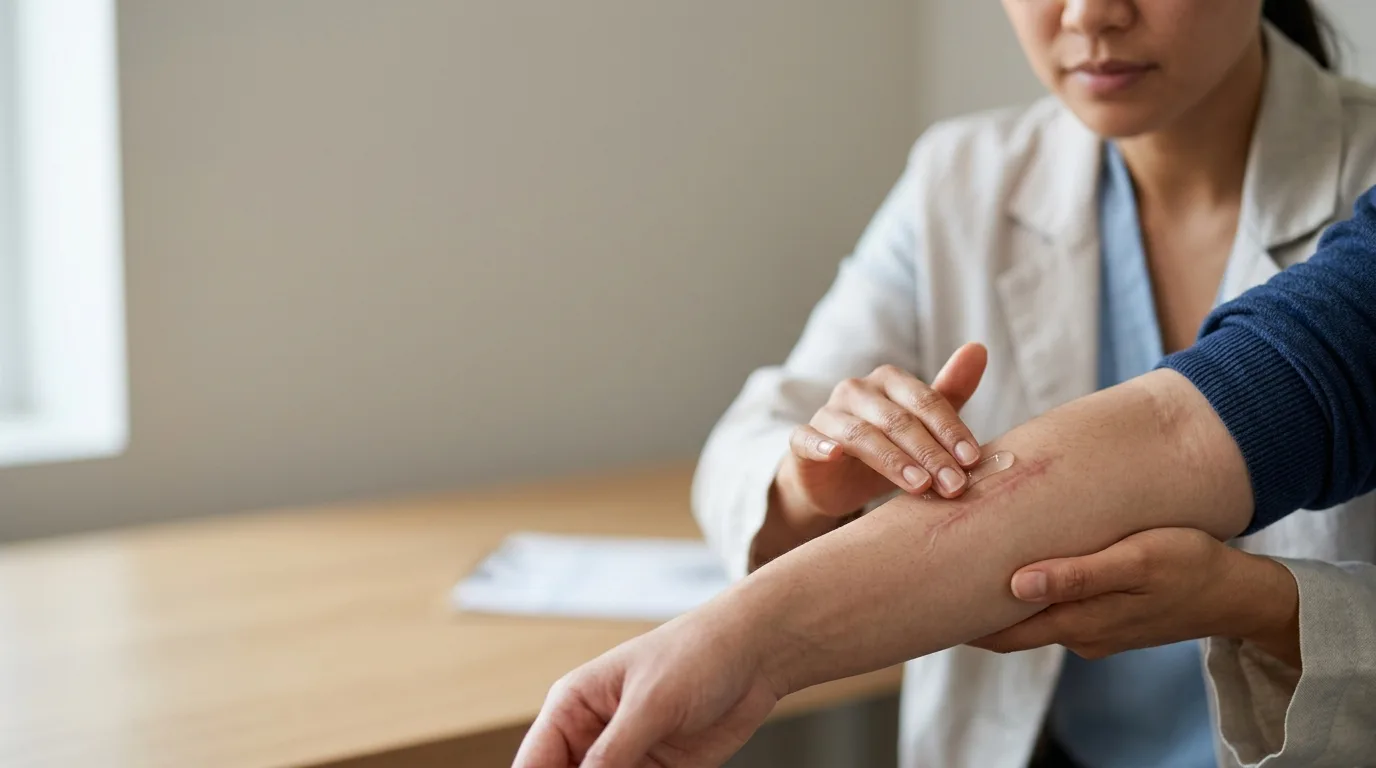
Topical scar care gels are primarily evaluated by formulation integrity, where silicone polymers represent the established standard for improving scar appearance, hydration, and texture. While retail considerations such as scarmin jel fiyat reflect market positioning, clinical studies show that silicone polymers provide consistent barrier support. Consumers assessing cost should focus on verified active ingredients and regular application rather than brand packaging or premium claims.
When individuals search for post-procedure or post-injury skin care options, inquiries regarding scarmin jel fiyat frequently arise alongside questions about clinical efficacy. Consumers evaluating retail pricing often encounter a wide spectrum of topical gels ranging from pure silicone elastomer formulations to complex botanical extracts. Navigating these options requires an understanding of the physiological mechanisms governing cutaneous remodeling and barrier recovery. Rather than focusing exclusively on commercial brand positioning, analyzing the underlying scientific evidence allows consumers and clinicians to make well-informed dermocosmetic selections.
The process of cutaneous healing is a dynamic biological sequence involving hemostasis, inflammation, proliferation, and tissue remodeling. During the final remodeling phase, which can extend over several months to years, newly synthesized connective tissue undergoes continuous reorganization. Aberrations in this continuum can manifest as hypertrophic scarring or persistent erythema, characterized by elevated, firm, and reddened tissue. Topical interventions are designed not to alter intrinsic medical pathology but to optimize the external microenvironment of the healing stratum corneum, supporting an aesthetically favorable cosmetic appearance.
How Does Topical Silicone Support Scar Appearance and Barrier Function?
Topical silicone gel forms an occlusive yet semi-permeable film across the skin surface that dramatically reduces trans-epidermal water loss. In newly re-epithelialized tissue, the immature epidermal barrier exhibits elevated moisture evaporation, which signals underlying keratinocytes and dermal fibroblasts to remain in an activated state. By replicating the natural barrier function of the stratum corneum, topical silicone restores physiological hydration levels to the superficial cutaneous layers. This localized hydration mitigates mechanical stress and normalizes cellular signaling pathways involved in extracellular matrix deposition.
Systematic reviews and meta-analyses of randomized controlled trials demonstrate that topical silicone gel significantly improves scar appearance, texture, and erythema compared to controls 32119763. The continuous application of silicone elastomers has been shown to assist in flattening elevated scar margins, softening rigid fibrous tissue, and diminishing localized redness. Because the polymer sheet or gel does not penetrate systemic circulation, its mode of action remains physical and mechanical, providing optimal hydration and delicate pressure without pharmacological absorption 32119763.
Clinical trials have also evaluated the practical feasibility and cosmetic performance of silicone gels in aesthetically sensitive anatomical locations. In a randomized, controlled double-blind study evaluating post-surgical eyelid incisions, early silicone gel application yielded measurable improvements in periocular scar appearance compared to placebo 39946309. Periocular skin is exceptionally thin, prone to swelling, and presents challenges for traditional adhesive silicone sheets. The fluid gel formulation allowed uniform, discrete coverage without displacing fragile tissue, confirming that early intervention supports favorable cosmetic maturation in delicate facial zones 39946309.
Furthermore, research focusing on early intervention protocols indicates that polymer silicone gels exhibit favorable safety, tolerability, and cosmetic refinement profiles 28210394. Early initiation—commenced once complete wound closure and re-epithelialization have been confirmed by a physician—curtails excessive moisture loss during the critical transitional period of scar maturation 28210394. The non-comedogenic and flexible nature of silicone gel permits convenient compliance, which remains a primary determinant of long-term dermocosmetic success across diverse age groups.
What Do Comparative Studies Reveal About Botanical Additives and Extract Gels?
Formulations containing botanical derivatives, particularly onion extract (Allium cepa), are frequently encountered across community pharmacy shelves. Historically marketed for their antioxidant and anti-inflammatory properties, these preparations often feature alongside or in combination with silicone polymers. Consumers reviewing product descriptions may assume that multi-ingredient botanical mixtures provide superior performance over standard polymer vehicles. However, clinical researchers have subjected these claims to rigorous comparative scrutiny to distinguish marketing trends from verifiable physiological outcomes.
A comprehensive meta-analysis of randomized controlled trials demonstrated that Allium cepa (onion extract) gel does not yield statistically superior clinical outcomes over alternative topical modalities in scar management 33372412. When evaluated against silicone-based interventions or basic emollient standards, botanical preparations failed to exhibit significant advantages in reducing scar height, pliability, or erythema 33372412. While Allium cepa preparations generally demonstrated acceptable skin biocompatibility, the systematic evidence underscores that botanical extracts should not be regarded as superior replacements for standard polymer-based hydration.
The biomechanical distinction between silicone polymers and aqueous botanical gels largely explains these clinical findings. Aqueous extract solutions evaporate quickly following cutaneous application, leaving minimal lasting occlusion to restrict trans-epidermal water loss unless blended into specialized hydrophobic bases. Conversely, high-molecular-weight silicone cross-polymers create a persistent, water-impermeable matrix that remains seated on the stratum corneum for extended durations. This sustained occlusion provides the sustained hydration required to soothe healing tissue and assist in improving the appearance of scar thickness.
In addition to efficacy parameters, botanical additives present a modest yet documented risk of contact dermatitis or localized cutaneous irritation. Healing tissue exhibits heightened sensitivity to potential allergens, fragrances, and secondary phytochemical constituents. When cutaneous hypersensitivity occurs, secondary erythema may exacerbate the cosmetic appearance of the scar, confusing clinicians and distressing patients. For individuals with sensitive skin or extensive post-procedure areas, minimalist formulations featuring well-characterized silicone polymers present a substantially lower likelihood of contact intolerance 33372412.
Consumer Decision Making: Analyzing scarmin jel fiyat and Clinical Value
When consumers evaluate scarmin jel fiyat alongside alternative topical products, retail disparities frequently prompt confusion regarding expected results. Gel pricing in community pharmacies and online marketplaces is heavily influenced by manufacturing complexity, proprietary cross-polymer blending, vehicle texture, packaging delivery mechanisms, and promotional expenditure. A higher retail cost does not automatically signify a more potent biological outcome, as cosmetic scar care depends primarily on regular barrier maintenance rather than proprietary botanical additives.
The cosmetic vehicle itself plays an important role in application comfort, user compliance, and everyday practicality. In an intra-individual split-face comparative study assessing post-fractional ablative CO2 laser recovery, a silicone-based fluid gel demonstrated effective tissue recovery and cosmetic support comparable to conventional paraffin ointments 41195573. Patients experienced superior aesthetic acceptability, easier spreadability, and reduced greasy residue with the silicone fluid vehicle compared to heavy petroleum-based pastes 41195573. When assessing cost, investing in a cosmetically elegant vehicle that encourages daily adherence is scientifically justifiable, whereas paying excess margins for unverified botanical claims rarely translates into superior results.
Clinical guidelines emphasize that topical care must be tailored to individual skin phototypes and physiological risk factors 40688851. Patients with darker skin phototypes (Fitzpatrick types IV–VI) are biologically more susceptible to prolonged post-inflammatory hyperpigmentation and elevated scar formation following mechanical trauma. In these demographics, maintaining non-irritating hydration and pairing topical silicone care with rigorous daily broad-spectrum sun protection is essential to mitigate pigmentary discrepancies 40688851. Price considerations should therefore encompass a comprehensive daily regimen, prioritizing gentle barrier restoration and UV shielding over an expensive single-action cream.
To maximize the cost-to-benefit ratio of any topical scar regimen, consumer adherence is the ultimate deciding factor. Clinical protocols across peer-reviewed literature uniformly mandate consistent application twice daily for a minimum duration of two to six months 32119763, 28210394. Discontinuing a high-priced gel prematurely due to financial burden yields inferior aesthetic outcomes compared to consistently applying an accessible, evidence-backed silicone polymer formulation over the entire biological remodeling period.
Practical Recommendations for Topical Scar Care Application
Initiating topical scar management requires appropriate timing and meticulous hygiene to ensure product safety and cosmetic efficacy. Topical gels must never be applied to open, bleeding, or infected cutaneous surfaces; application should commence only after complete re-epithelialization and suture removal, following direct clearance from the supervising physician. The treatment zone should be gently cleansed with a mild, soap-free cleanser and thoroughly dried before product dispersion, as residual moisture can impede polymer adhesion to the stratum corneum.
A minimal quantity of silicone gel should be dispensed and spread in a thin, continuous layer across the targeted scar surface without aggressive friction or massaging. When applied correctly, a high-quality polymer gel dries within several minutes to form an invisible, non-tacky protective membrane. If the product remains wet or sticky after several minutes, an excessive quantity has likely been applied, and the excess should be gently blotted away. Once completely dry, cosmetic foundation or daily broad-spectrum sunscreen can be applied directly over the silicone barrier without disturbing its structural integrity.
Consistency and patience are indispensable elements of any dermocosmetic scar routine. Cutaneous remodeling is an intrinsically slow physiological trajectory; noticeable improvements in scar surface softness, texture, and visual redness typically require continuous application for at least eight to twelve weeks 32119763. Individuals should regularly monitor the skin for signs of localized redness, itching, or maceration, which may indicate product buildup or underlying sensitivity. Should unusual cutaneous irritation or signs of infection develop, application must be suspended immediately and professional medical advice sought from a board-certified dermatologist or plastic surgeon.
Key takeaways
- Topical silicone gels represent the gold standard dermocosmetic approach for improving scar texture, erythema, and overall cosmetic appearance by reinforcing barrier hydration.
- Systematic meta-analyses demonstrate that botanical preparations such as Allium cepa (onion extract) gel do not provide superior clinical efficacy compared to standard topical therapies.
- Retail pricing variations, such as those seen in scarmin jel fiyat inquiries, reflect formulation spreadability, vehicle elegance, and branding rather than superior active healing mechanisms.
- Early intervention with polymer silicone gel on closed, re-epithelialized wounds supports tissue maturation and aesthetic outcomes, even in delicate areas like the eyelids.
- Consistent daily application over two to six months is the primary factor determining cosmetic scar improvement, far outweighing the influence of premium pricing alone.
Frequently asked questions
- What active ingredients should be prioritized when selecting a topical scar gel?
- Formulations containing high-purity polymer silicone elastomers or dimethicone-based fluid vehicles should be prioritized. Clinical literature consistently confirms that silicone polymers provide the necessary physical occlusion and stratum corneum hydration required to support scar texture, whereas complex botanical extracts lack evidence of superior performance.
- Does a higher price point for scar gels correlate with superior clinical outcomes?
- Not necessarily. Higher retail prices often reflect vehicle aesthetics, spreadability, fragrance-free stability, and branding investments rather than enhanced physiological action. A standard, evidence-supported silicone gel applied consistently will typically achieve comparable or superior cosmetic outcomes relative to more expensive multi-ingredient herbal formulations.
- How does topical silicone gel compare to onion extract in scar texture improvement?
- Meta-analyses of randomized controlled trials show that Allium cepa (onion extract) does not offer superior improvements in scar height, vascularity, or pliability compared to standard topical modalities. Silicone remains the benchmark due to its proven capacity to restrict trans-epidermal water loss without inducing cutaneous sensitization.
- How long should topical silicone gel be applied to observe changes in scar appearance?
- Clinical protocols indicate that topical silicone gel should be applied continuously twice daily for a minimum of 8 to 12 weeks. In more established or mature scars, optimal cosmetic refinement may require consistent application extending between 3 to 6 months, as cutaneous remodeling is an inherently gradual process.
- When is it safe to begin applying topical scar gels after an injury or surgery?
- Topical gels must only be applied after the wound has achieved full re-epithelialization, surgical sutures or adhesive strips have been removed, and the skin barrier is completely closed with no weeping or scabbing. Always consult your treating physician or surgeon prior to initiating any scar care protocol.
References
- Onion extract gel is not better than other topical treatments in scar management: A meta-analysis from randomised controlled trails — International wound journal · 2021
- Efficacy of topical silicone gel in scar management: A systematic review and meta-analysis of randomised controlled trials — International wound journal · 2020
- Efficacy of Silicone Gel Versus Placebo for Postsurgical Scars of the Eyelids: A Randomized, Controlled, Double-Blinded Study — Ophthalmic plastic and reconstructive surgery · 2025
- Evidence-Based Topical Therapy for Facial Scars in Diverse Skin Types — Cureus · 2025
- Silicone-based fluid gel versus white paraffin ointment in the treatment of post-fractional ablative CO(2) laser wound: an intra-individual split-face comparative study — The Journal of dermatological treatment · 2025
- Efficacy and Safety of a Novel 100% Silicone Scar Gel Treatment for Early Intervention in Scar Management — The Journal of clinical and aesthetic dermatology · 2016

This content is for information only and does not replace a medical consultation. Consult your doctor about your own situation.